
QR codes for P2P payments
What is peer-to-peer payment with a QR code?
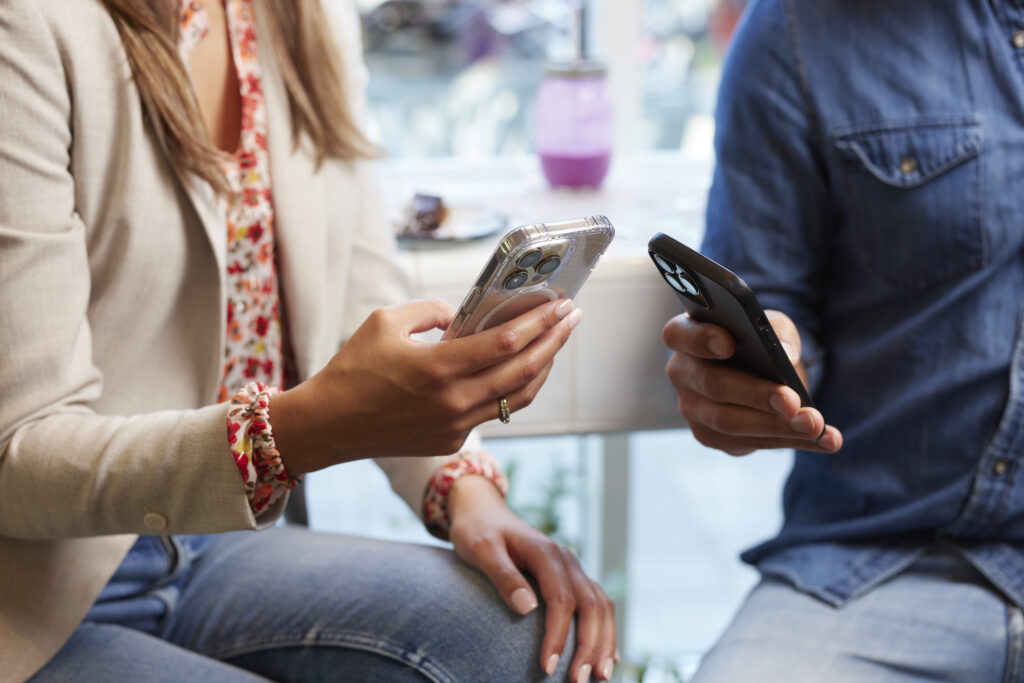
Peer-to-peer payment with a QR code is a simple way to transfer money without manually entering data. The payer scans a QR code with a smartphone or banking app, after which the payment can be confirmed immediately. The QR code contains all payment details, such as the amount, the recipient’s IBAN, and, if necessary, a description, preventing input errors and making the payment process faster and clearer.
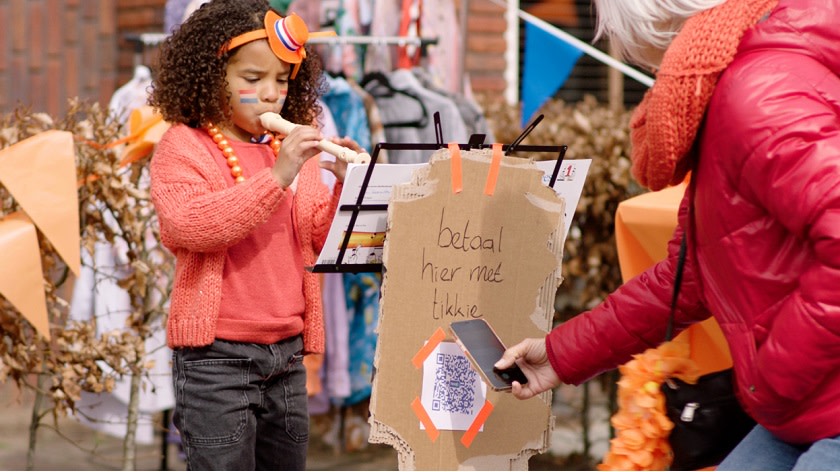
Consumers use QR codes, for example, at a flea market or at the front door when they do not have each other’s contact details.
How does it work?
Most banking and payment apps offer the option to create your own QR code. The user enters the amount, adds a description if desired, and generates a unique code. This code can then be shared via WhatsApp, email, or printed for physical use.
The recipient of the code scans it with their smartphone camera or banking app, checks the details, and confirms the payment. The payment is then processed via a trusted payment environment, such as iDEAL.
Thanks to instant payments, these payments are processed almost immediately. 24 hours a day, 7 days a week. This makes sharing costs or repaying small amounts accessible and efficient, even outside office hours.
Security and points to consider
Although QR codes offer a lot of convenience, vigilance is important. Fraudsters can distribute fake QR codes via emails, websites, or paper invoices. It is therefore essential to always check where the code comes from and what appears on the screen before confirming the payment.
Preferably, only use QR codes that come from reliable sources, such as your own banking app or a well-known payment app. Preferably, only scan QR codes from specific payment services with the official app of that service or with your bank’s mobile app. A fake generic QR code that pretends to be a QR code from a specific payment service will be rejected by official apps and banking apps.
The Dutch Payments Association advises users to remain alert to suspicious situations. Check that the amount is correct, that the name of the recipient is recognizable, and that the payment environment feels familiar. If in doubt, it is better not to make the payment and to contact the bank or the recipient.
Deze inhoud is beschikbaar na het accepteren van de marketingcookies.

Who is it intended for?
QR code payments are suitable for anyone who wants to transfer money to someone else quickly and easily. This could be friends sharing costs, family members repaying each other, or neighbors who have purchased something together.
Merchants can also use QR codes, for example as an alternative in the event of card payment disruptions or for receiving payments at markets or events. For retailers and small businesses, the QR code offers an accessible way to receive payments without a physical payment terminal. The customer scans the code and completes the payment in their own banking environment, which is particularly useful at temporary points of sale.
European standardization
The EPC has developed a public standard that allows all payment details required for a European transfer to be included in a QR code. This means that QR codes can also be used cross-border within Europe.
This standard is now outdated; a new version is currently being developed. The Dutch Payments Association is closely monitoring these developments and contributing to their implementation and communication within the Netherlands.