
Management Board
The Management Board plays a central role within the association. It manages the association on the basis of the articles of association. For example, the Management Board determines the association's strategy and budget. It also appoints the director of the association's office. With around 20 full-time employees, the association's office is the most important instrument for carrying out the association's tasks. Read more about the composition of the board, the special role of the independent board members, and the board committees here.

Composition
The board of the Dutch Payments Association consists of three independent board members, including the chair, and six board members who are affiliated with the association’s members.
The independent board members are appointed on the basis of a binding nomination by the selection and appointment committee. The other members are appointed on the basis of a binding nomination by one or more members. Each member with a market share of more than 10% has the right to nominate a board member. Members with a market share of less than 10% have the right to jointly nominate a maximum of three members.
Nominations and appointments are made in accordance with the director profile (in Dutch).
The board members
-
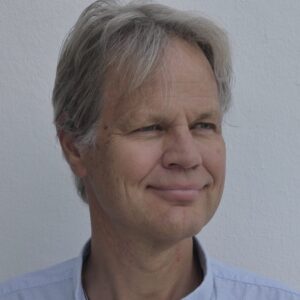
Gottfried Leibbrandt
Former CEO of SWIFT
-

Guus Slik
Former director of Superunie
-

John Visser
Former deputy director of the Consumers' Association
-

Hans Overeem
Head of payments at ING
-
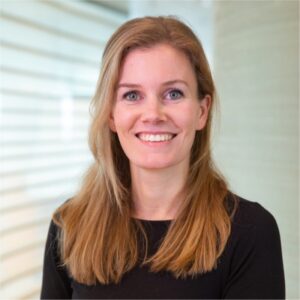
Suzan van Eeten
Lead payments at Rabobank
-
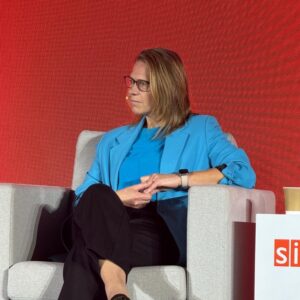
Erica Kostelijk
Transaction Banking at ABN AMRO
-
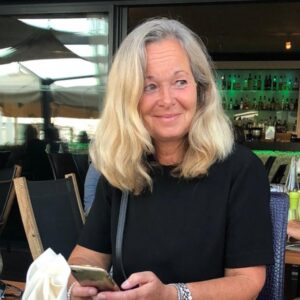
Joyce van der Est
Director of Banking at de Volksbank, representing medium-sized banks
-

Hans Reus
Lead payment domain at Knab, representing smaller banks
-

Paul Scholten
CEO of Buckaroo, representing payment institutions
De Nederlandsche Bank (DNB) and the Dutch Banking Association (NVB) are affiliated with the board of the Dutch Payments Association as observers.
Role of independent board members
The three independent members occupy a special position on the board. This is due to the important social role played by the payment ecosystem. The independent members ensure that the voices of all stakeholders in payments are taken into account in the policy of the Dutch Payments Association.
To this end, the independent board members have a joint veto on the adoption and amendment of rules relating to standards and on policy and procedures concerning certification and supervision. In addition, the independent board members have a majority in an appeals committee responsible for arbitration in disputes with the Dutch Payments Association.
Committees
To simplify the board’s decision-making process, a number of board committees prepare decisions:
The Audit Committee
-
Guus Slik
Chair of the Audit Committee
-
Erica Kostelijk
-
Paul Scholten
The audit committee is responsible, among other things, for supervising the management with regard to:
- The functioning of the internal risk management and control systems;
- The role and functioning of the finance department;
- The provision of financial information by the implementing organization;
- The financing of the Dutch Payments Association;
- The application of information and communication technology.
The Remuneration Committee
-
Hans Reus
-
Suzan van Eeten
-
John Visser
The Remuneration Committee’s tasks include:
- Making proposals to the board regarding the remuneration of the independent directors. Decisions on remuneration are taken at the General Meeting of Members;
- Making proposals to the board regarding the remuneration of the management;
- Reporting annually to the board on remuneration.
The Selection and Appointment Committee
-
Gottfried Leibbrand
Chair of the Selection and Appointment Committee
-
Hans Overeem
-
John Visser
-
Paul Scholten
The Selection and Appointment Committee is responsible for:
- Drawing up the selection criteria and appointment procedures for the management and directors;
- Making proposals to the board and subsequently to the General Meeting of Shareholders regarding the appointment and dismissal of (independent) directors;
- Periodically assessing the performance of directors and reporting on this to the board and subsequently to the assessment committee of the General Meeting of Shareholders. The General Meeting of Shareholders can then grant discharge to the board;
- Periodically assessing the size and composition of the board and making proposals for adjustments to the board’s profile;
- Making proposals to the board regarding the appointment and dismissal of the management;
- Periodically assessing the performance of the management and making proposals to the board in this regard.
The appeals committee
-
Gottfried Leibbrand
Chair of the Appeals Committee
-
Guus Slik
Finally, the Appeals Committee is responsible, among other things, for arbitration in the event of disagreements about the results or the manner of implementation of the certification, if the parties involved and the management cannot reach agreement on this.