
Kennisbank
Overzicht artikelen
-

IBAN and BIC
An IBAN bank account number is the unique identifier for a payments account and the basis for account-to-account payments.
-
Availability and disruptions
The ‘Availability and disruptions’ knowledge base topic provides an overview of the availability and reliability of payments infrastructure. It focuses in particular on managing malfunctions and incidents.
-

Account-to-Account payments
Account-to-account payments (bank transfers) are a quick and easy way to transfer money directly from one bank account to another, either within the Netherlands or to and from other countries.
-
Card payments
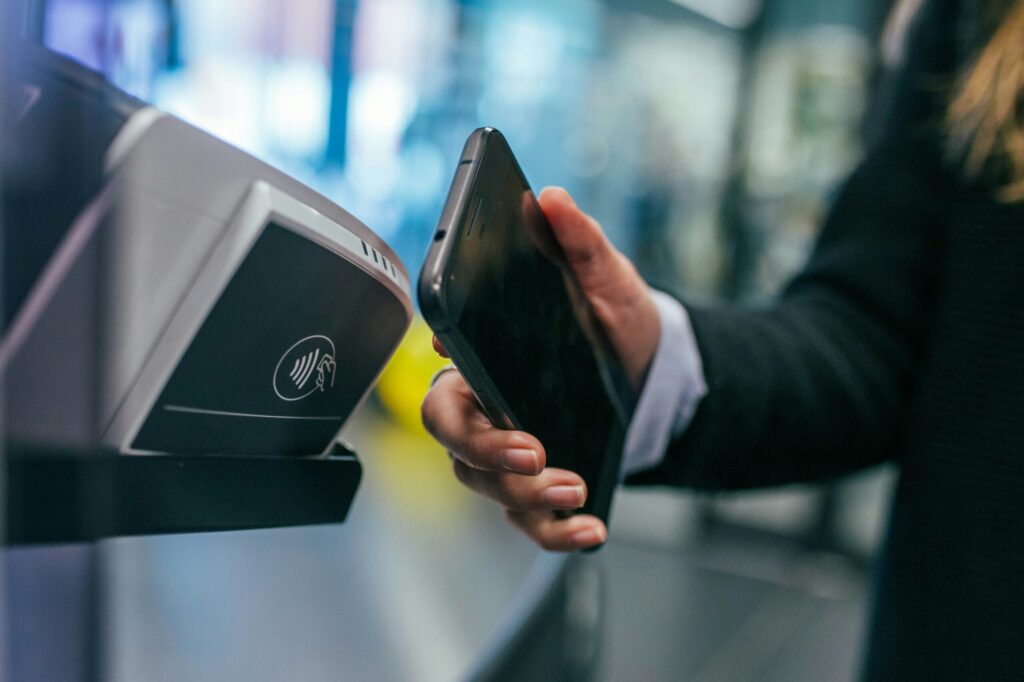
Card (PIN) payments are the backbone of the Dutch point-of-sale payment system. They are fast, safe and reliable and make checkout very easy for retailers and their customers.
-

Digital identity
The increasing digitization of services is creating a growing need for certainty about the identity of online customers and users. Digital identity is a natural part of e-commerce and online payments.
-

Payments for all
Banking and payment services must be accessible to as many adults as possible, regardless of their background, needs, and desires. Our members ensure this, and we are committed to this goal through a wide range of activities.
-

Cash payments
Every Dutch citizen can use a debit card linked to a payments account to withdraw cash from an ATM. In the Netherlands, this can be done at Geldmaat's yellow ATMs, which also allow you to deposit money.
-
Standards in payments
Standards form the basis for uniform, reliable, and secure payments. Thanks to standardised agreements, banks, businesses, and consumers worldwide can send and receive payments without misunderstandings or errors.
-

Recieving payments
Merchants need to be paid for their goods and services, and there are various options for doing so. The most suitable payment method depends on the situation: at the point-of-sale, online, or through recurring payments.
-
European legislation
On behalf of its members, the Dutch Payments Association provides expert information to parties involved in European and national legislation. We do this for joint, non-competitive topics within the field of payments.
-

Online payments
Online payments extend beyond just paying at web shops. For example, we also pay traffic fines and municipal taxes online. The term encompasses all forms of electronic payments via the internet, to web shops and other organizations.
-

Special accounts and services
In the Netherlands, there are all kinds of agreements about offering special payments accounts and services in collective payments, sometimes in addition to European directives. These agreements arise from Dutch legislation, because the government requires them, or because of a strong social need.
-

P2P payments
Peer-to-peer payments, also known as P2P (Person-To-Person) payments, are direct transfers (bank transfers) between consumers. We often use them to share a joint gift, for example, to purchase used items on Marktplaats, or to give a child or grandchild some money. Peer-to-peer payments are increasingly being made in digital form, via mobile apps or online trading platforms.
-
Market infrastructure
European payments are based on a market infrastructure in which many parties work together to process payments within the EU reliably, quickly, securely, and efficiently. These parties include the ECB, national central banks, transaction processors, banks, and other payment service providers. Each link in the payments infrastructure has its own role and responsibility in ensuring that transactions are processed smoothly, from the sending of a payment order by the payer's bank to its receipt by the payee's bank.
-
Digital Mandate Service
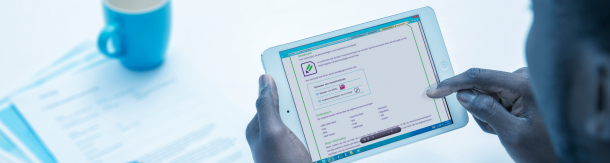
Almost everyone in the Netherlands uses direct debits, for example to pay their energy bills, insurance premiums, or subscriptions. With Digital Direct Debit Authorizations, you can arrange the necessary direct debit authorizations easily and reliably online via your own bank, rather than using a paper form. This allows you to provide the collector with the correct information once and for all. Your bank records your authorization to the collector in a transparent manner, and you can easily revoke it if necessary.